


A fire aboard a boat is one of the most dangerous emergencies at sea. Fires can spread rapidly due to fuel, electrical systems, and confined spaces, leaving little time to react. Understanding the most common causes of boat fires and how to prevent them is essential for anyone cruising, living aboard, or operating a vessel.
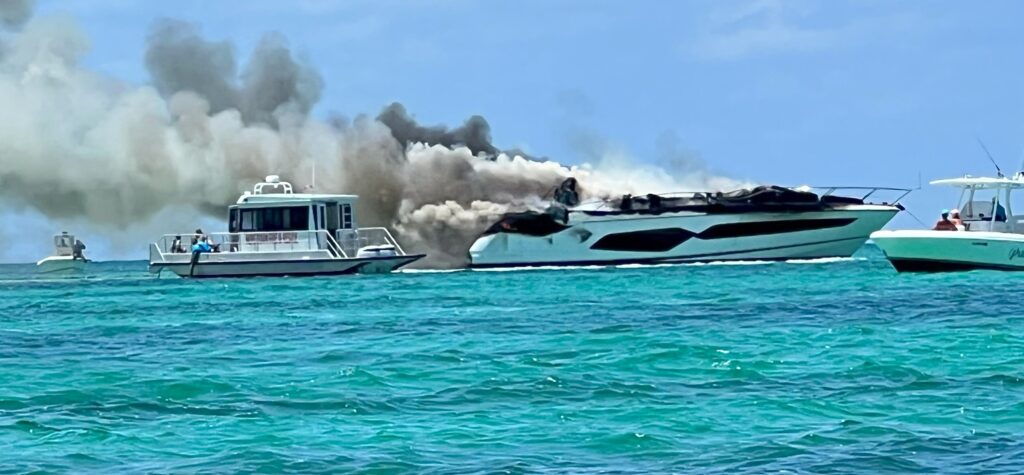
A Real Reminder: Fire Aboard
This scene here happened in the Bahamas and the boat was in the marina in Hope Town. Fortunately, it was quickly towed out into open water. This reminded us that a fire aboard a boat can start without much warning and spreads very quickly throughout the boat. It is terrifying and often heartbreaking for live-aboards who carry their worldly possessions on the boat.
Prevent fires by using good practices. Inspect your boat to look for defects, deferred maintenance, or other conditions that could cause a fire. Regularly maintain your boat to eliminate fire hazards and be extremely careful with lithium batteries in toys! This seems to be one of the biggest culprits for starting fires onboard.
Common Causes of Boat Fires
Most boat fires can be traced back to a handful of key issues. Understanding these risks is the first step in preventing them.
- Electrical failures or faulty wiring
- Fuel leaks or vapor buildup
- Lithium-ion batteries and charging devices
- Cooking accidents in the galley
- Engine overheating or poor maintenance
From our experience working with owners, one of the most overlooked risks is aftermarket electrical upgrades. Adding systems without a fully integrated design can significantly increase fire risk, especially with lithium batteries and high-load equipment.
How to Prevent a Fire on a Boat
Prevention is always the best defense. A few proactive steps can dramatically reduce your risk.
- Regularly inspect electrical systems and connections
- Check fuel lines and engine compartments for leaks or fumes
- Use certified chargers and avoid overloading circuits
- Properly ventilate engine and battery compartments
- Keep flammable materials stored safely
- Maintain engines and service systems on schedule
Consistent checks and maintenance are what separate safe cruising from unnecessary risk.
Fire Detection on a Boat
Early detection is critical. Every boat should be equipped with:
- Smoke detectors in cabins and living spaces
- Heat detectors in engine rooms
- A combination of ionization and photoelectric alarms
Due to the marine environment, detectors should be replaced every 5 years and tested regularly. Detection systems buy you time and time is everything in a fire situation.
The National Fire Protection Association (NFPA) recommends that vessels 26 feet or larger with sleeping accommodations be equipped with at least one smoke alarm rated to UL 217 standards. While not always enforced, these guidelines are widely recognized as best practice for onboard safety.
Standard household smoke detectors are not ideal for marine environments, so it’s important to choose units designed for durability and proper application.
In practice, one detector is not enough. For better protection, install smoke alarms in all living and sleeping areas, as well as near the engine room, electrical panels, and storage compartments. Faster detection gives you more time to respond and can make the difference between containing a fire and abandoning the vessel.
Fire Detectors for Boats
Installing the right rating of smoke detector is important so that it will hold up to the harsh marine elements. But, also, when choosing a smoke detector, you can boost your chances of early detection by a model with detection devices that use both ionization and photoelectric methods.
- Ionization devices better detect small particles often generated by rapidly starting fires.
- Photoelectric devices better detect smoldering fires that generate smoke and fumes long before developing spreading flames.
By choosing a unit that has both types of devices, you improve your chances of quick alert no matter the type of fire. By placing them everywhere aboard, you increase your chances of knowing about the fire no matter where it is locate.
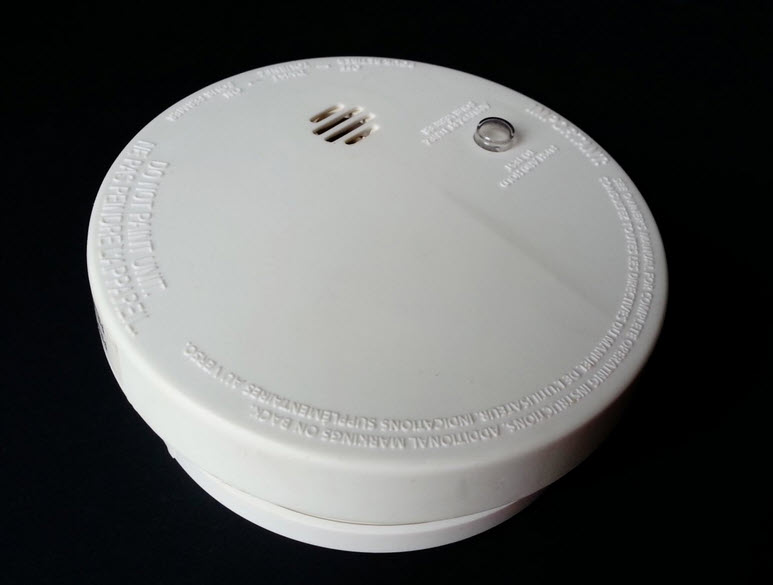
You can find UL217 smoke detectors with both detection methods that either come with non-replaceable 10-year batteries or that you may insert your own batteries that must be replaced annually. Whichever you select, test frequently and because the detection can degrade over time especially in salty humid air, replace the smoke detection units every five years.
What To Do If a Fire Starts
If a fire breaks out onboard, quick and informed action is essential.
- Alert everyone onboard immediately
- Shut off fuel and electrical systems if it is safe to do so
- Use the appropriate fire extinguisher for the source
- Do not open engine compartments, as this can feed oxygen to the fire
- Prepare for evacuation if the fire cannot be controlled
Training and preparation make all the difference in how effectively these steps are carried out.
Extinguishing a Fire Aboard
Once fire is detected, it is vital that all crewmembers:
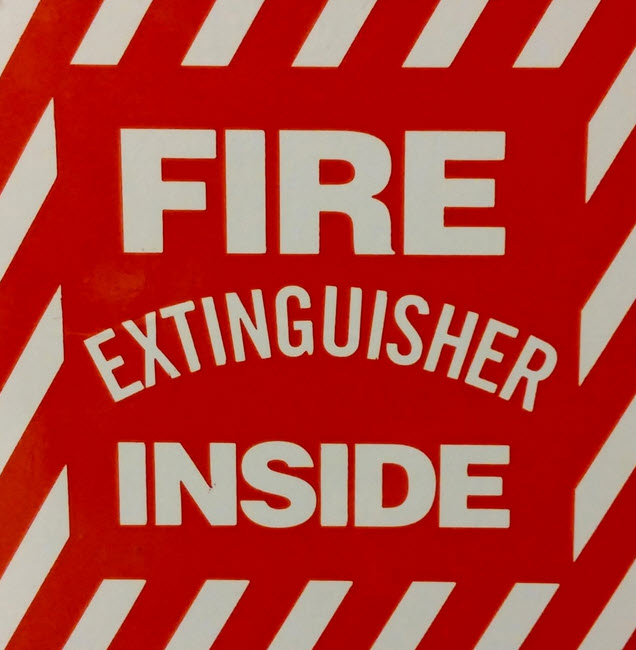
- Know where the fire equipment is and can access it without removing stored items from in front of it
- Know how to use the fire extinguishing equipment
- Know how to regularly maintain the equipment.
Local fire departments and for-hire emergency training facilities offer training on fire management skills in actual fires in a controlled setting. If you do not find that available for you and your regular crewmembers and frequent guests, look online for extinguisher training classes and videos.
Live-aboards and those planning offshore cruising should consider taking the five-day Standards of Training, Certification and Watchkeeping (STCW) Certification course. The course teaches how to identify safety hazards and best practices for emergency response aboard. In addition to building fire-fighting skills using live fires, the course covers survival skills and first aid.
The U.S. Coast Guard issued updated fire extinguisher requirements in April 2022. For all boats requiring fire extinguishers, the new standards state fire extinguishers:
- Must be readily accessible
- Must be an approved type
- Must have been manufactured in the last 12 years
- Must not have been previously used
- Must be maintained in good and serviceable working condition with no visible signs of significant corrosion or damage.
- If the extinguisher has a pressure gauge reading or indicator, it must be in the operable range or position.
- Must be stored with the lock pin firmly in place
- Must have the discharge nozzle clean and free of obstruction.
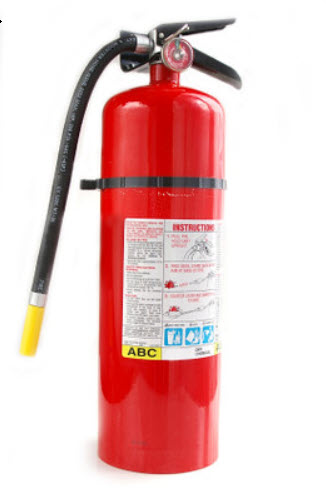
Types of Boat Fire Extinguishers
The Coast Guard requires Class B portable fire extinguishers to be carried on board recreational vessels. These are effective against flammable liquid fires such as gasoline, petroleum, greases, oils, oil-based paints, solvents, and alcohols.
Another type of fire-fighting device is a condensed dry aerosol ball. The balls are 4-6 inches in diameter and contain a condensed dry chemical that is released within 3-5 seconds of being exposed to the heat of a flame. The small balls can be mounted in mechanical or electrical spaces where fires are likely to start or kept in convenient locations to be thrown by a crew member into a fire.
A Catamaran Gurus Perspective
One of the biggest gaps we see is not a lack of equipment, but a lack of understanding. Many owners:
- Don’t fully understand their electrical systems
- Add upgrades without considering system integration
- Haven’t practiced emergency response
Boat fire safety isn’t just about having the right gear. It’s about knowing how your boat functions and how to respond under pressure. This is why training and real-world experience are so important.
Boat Fire Safety Checklist
Before heading out, run through this quick checklist Simple habits like these can prevent serious incidents.:
- Inspect wiring and battery systems
- Check fuel lines and engine compartments
- Test smoke and heat detectors
- Ensure fire extinguishers are accessible and serviced
- Review emergency procedures with everyone onboard
- Avoid overloading electrical systems
A fire on a boat is rare, but when it happens, it escalates quickly. The goal is not just to react, but to prevent. By understanding the risks, maintaining your systems, and preparing for emergencies, you can significantly reduce the likelihood of a fire and ensure you’re ready if one occurs.
Build Confidence Through Experience
Want to feel more prepared on the water? Our RYA Certified Sailing Academy focuses on real-world training, including safety, systems awareness, and offshore preparedness, so you can handle situations with confidence. LEARN MORE HERE!