


Editor’s Note: Updated May 2026 to reflect revised Bahamas cruising permit regulations and new EU customs and VAT guidance for recreational vessels.
The global cruising landscape is continuing to evolve as governments introduce new taxes, permit structures, customs clarifications, and operational requirements impacting yacht owners around the world. For cruisers, charter operators, and long-term liveaboards, understanding these changes has become increasingly important when budgeting annual operating costs and planning international cruising itineraries. From Europe’s updated VAT and customs guidance to revised cruising permit structures in The Bahamas, yacht owners navigating international waters are seeing more oversight, more digital reporting requirements, and more regional cruising costs than ever before.
While some countries are tightening regulations, others are attempting to clarify confusing policies that have long frustrated international cruisers. Here’s a look at some of the biggest updates impacting global yacht owners right now.
Looking for guidance on building or optimizing a charter program?
Explore our Charter Management Tips →

European Union Clarifies VAT & Customs Rules for Recreational Craft
In a major development for European cruising, the European Commission recently released updated guidance clarifying customs and VAT treatment for recreational vessels operating within the EU.
The guidance, welcomed by both the European Boating Industry (EBI) and the European Boating Association (EBA), addresses several longstanding areas of confusion surrounding Union goods status, proof of VAT payment, and vessels returning to EU waters after time abroad.
Under the updated interpretation:
- Pleasure craft operating within the EU are generally presumed to have Union goods status
- Owners are not routinely required to prove Union status every time a vessel returns to its berth
- A vessel’s flag, registration country, or owner nationality alone does not determine Union goods status
- Additional clarification was provided regarding temporary admission rules, second-hand sales, and customs documentation
For many international cruisers, this guidance provides welcomed clarification after years of inconsistent interpretation across different EU countries.
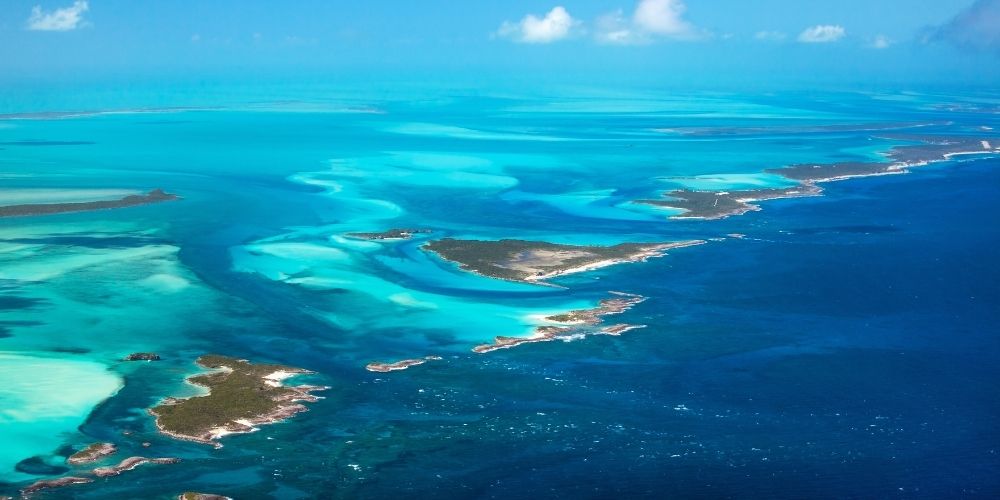
Bahamas: Revised Cruising Permit Fees & Entry Requirements
The Bahamas has updated its cruising permit and entry requirements following major fee changes introduced in 2025. As of April 1, 2026, foreign pleasure vessels entering The Bahamas are required to complete digital clearance through Click2Clear and clear Customs and Immigration at the nearest designated Port of Entry.
Visiting vessels should fly the yellow quarantine flag upon arrival, and only the captain may leave the vessel until clearance is complete. The revised fee structure now offers more flexibility based on vessel size and length of stay, with temporary cruising permits available for up to 30 days, 6 months, or 12 months.
Temporary Cruising Permit Fees
Up to 30 Days
- Under 30 feet: $150
- 31–50 feet: $250
- 51–100 feet: $350
- Over 100 feet: $600
Up to 6 Months
- Under 50 feet: $300
- 51–100 feet: $750
- Over 100 feet: $2,000
Up to 12 Months
- Under 50 feet: $500
- 51–100 feet: $1,000
- Over 100 feet: $3,000
The revised system also now includes:
- Separate fishing permits
- Anchorage fees for vessels not staying in marinas
- Passenger taxes for vessels carrying more than three non-resident passengers
- AIS requirements for foreign vessels over 50 feet
Fishing Permit Changes
Fishing permits are no longer bundled into cruising permits and must now be purchased separately:
- Under 50 feet: $100
- 50 feet and over: $300
For seasonal cruisers and charter operators making frequent Bahamas crossings, this creates another recurring operational expense to factor into annual cruising budgets.
Frequent Digital Cruising Card (FDCC)
The Bahamas also introduced the Frequent Digital Cruising Card (FDCC), allowing unlimited entries for up to two years:
- Under 50 feet: $1,500
- 50–99 feet: $2,500
- Over 100 feet: $8,000
For owners regularly cruising between Florida and The Bahamas, the FDCC may provide long-term savings despite the larger upfront cost.
AIS Requirements
One of the most notable operational updates is the new AIS requirement for foreign vessels over 50 feet operating in Bahamian waters.
Qualifying vessels must:
- Be equipped with AIS
- Keep AIS operational
- Ensure AIS remains turned on while cruising Bahamian waters
Violations may result in fines up to $1,000.
The updated Bahamas regulations appear to be an effort to balance tourism revenue, environmental oversight, and increasing cruising traffic while remaining one of the Caribbean’s premier yachting destinations.
Read the full article → Bahamas Boating & Fishing Fees
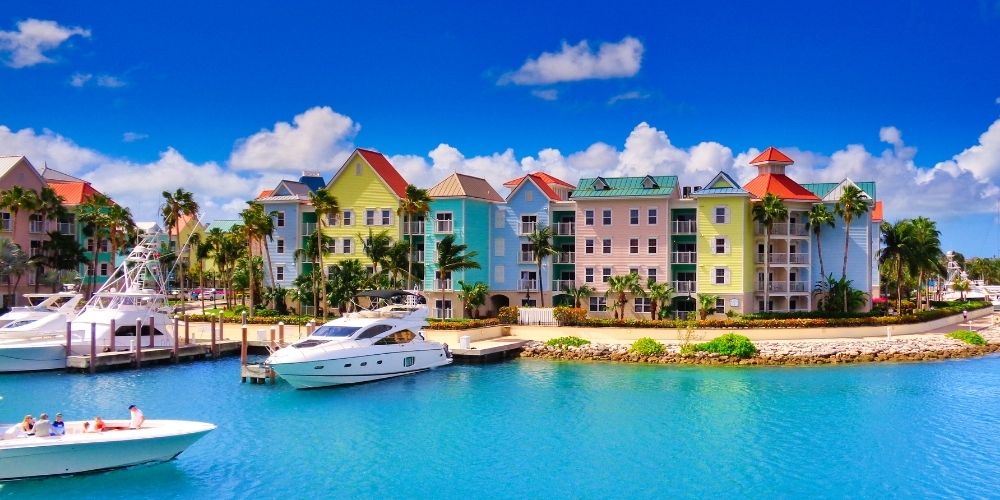
BVI: Yacht Tax Exemptions Continue While Charter Costs Rise
he British Virgin Islands remains one of the most attractive jurisdictions for yacht registration thanks to its tax-neutral treatment of pleasure craft. Under recent maritime reforms:
- Import duties on yachts have been eliminated
- Owners benefit from simplified entry and registration processes
- The BVI continues positioning itself as a leading hub for private and charter yachts
For owners seeking low-friction, tax-efficient registration, the BVI remains a top contender. At the same time, the region has also seen rising charter-related fees and operational costs tied to Commercial Recreational Vessel Licensing (CRVL) requirements, particularly for foreign-based charter yachts operating in BVI waters.
Industry groups have raised concerns that increasing permit and licensing costs could:
- Raise charter vacation pricing
- Impact smaller charter operators
- Influence where charter vessels choose to base operations within the Caribbean
Despite the evolving fee structures, the BVI remains one of the world’s premier yacht charter destinations thanks to its protected waters, short island passages, strong sailing conditions, and extensive charter infrastructure.
Read the full article → BVI Yacht Tax Exemption

Canada: Luxury Tax on Yachts Eliminated
The 2025 Canadian Federal Budget brought major changes for yacht buyers, officially eliminating the federal luxury tax on private yachts effective November 5, 2025.
Previously, the tax applied to new boats priced above CAD $250,000 and was calculated as the lesser of:
- 20% of the value above the threshold, or
- 10% of the full purchase price
The policy had generated significant debate throughout the marine industry, with critics arguing it negatively impacted boat sales, dealer activity, and domestic marine businesses.
Under the updated rules:
- No luxury tax applies to purchases or upgrades of eligible vessels after November 4, 2025
- Dealers and brokers are no longer required to register for the tax
- Existing dealer registrations are scheduled to be cancelled by February 2028
The removal of the tax is expected to improve competitiveness within the Canadian marine industry while creating new opportunities for yacht buyers considering purchases, refits, or upgrades in Canadian waters.
Read the full article → Canadian Luxury tax Eliminated
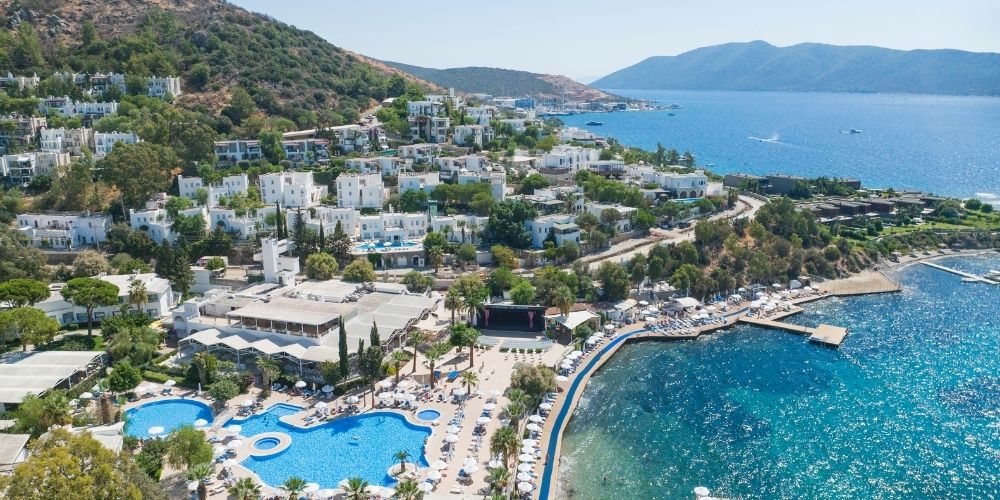
Turkey: New 8% Tax on Yachts & Leisure Vessels
Beginning September 2025, Turkey introduced an 8% Special Consumption Tax (SCT/ÖTV) on yachts, motorboats, and other pleasure vessels, ending more than eight years of effectively zero excise taxation on many marine vessels. The new tax applies to yachts, leisure boats, excursion vessels, and various pleasure craft categories and immediately increased acquisition costs for both private owners and portions of the charter market.
Industry analysts expect the changes to:
- Increase yacht acquisition and import costs
- Influence where owners choose to base or register vessels
- Impact marina occupancy and charter competitiveness in parts of the Eastern Mediterranean
- Push some buyers toward the second-hand market or alternative jurisdictions
Turkey remains one of the world’s leading yacht-building regions and a major cruising destination throughout the Mediterranean, making the new tax particularly significant for both domestic and international yacht owners. At the same time, Turkey continues offering advantages that attract many cruisers, including extensive marina infrastructure, strong yacht service industries, and comparatively favorable cruising costs relative to portions of Western Europe. For yacht owners cruising or purchasing vessels in Turkey, understanding how the new SCT combines with VAT, marina costs, and operational expenses is becoming an increasingly important part of ownership planning.
Read the full article → Turkey Imposes 8% Yacht Tax
Isle of Man: YET Scheme Offers Charter Flexibility for Private Yachts
The Isle of Man Ship Registry has launched the Yacht Engaged in Trade (YET) scheme, giving private yachts more operational flexibility. Under this framework:
- Private yachts (typically over 24 meters) may charter up to 84 days per year
- Chartering is permitted in designated EU waters
- The yacht maintains its private-use status outside charter days
- Owners gain more opportunities to offset operating expenses while staying compliant
This hybrid model appeals to yacht owners who want limited charter revenue without transitioning fully to commercial classification.
Read the full article → Isle of Man YET Scheme
What This Means for Yacht Owners
For yacht owners, these changes reinforce the importance of long-term ownership planning and staying informed about evolving international regulations.
Today’s yacht ownership decisions increasingly involve:
- International tax planning
- Cruising permit costs
- Customs and VAT considerations
- Charter operation structures
- Seasonal cruising strategies
- Marina and anchorage fees
- Compliance with evolving environmental and tracking requirements
As governments continue refining policies around tourism, marine infrastructure, and international cruising, owners who proactively understand these changes will be better positioned to avoid unexpected costs and cruise more confidently.
Navigating a Changing Global Cruising Landscape
Yacht taxes, fees, and regulatory frameworks are changing rapidly worldwide. Whether you’re exploring international cruising, planning a new yacht purchase, or structuring a charter-business strategy, staying informed is essential to avoid surprises — and to take advantage of new opportunities.
While new taxes and permit structures can initially feel overwhelming, they also reflect the continued growth and popularity of international yachting destinations around the world. For many owners, the key is not avoiding these destinations, but understanding the evolving rules early enough to plan accordingly.
Whether you are considering long-term cruising, charter ownership, Caribbean island hopping, or international yacht operations, working with experienced professionals who understand both the operational and financial side of yacht ownership has never been more valuable.
For tailored guidance on yacht ownership, business structures, and charter programs, the Catamaran Gurus team is always here to help. Contact us today!
More About Taxes