


The conversation around yacht manufacturer bankruptcies is no longer hypothetical. It’s happening in real time, and it’s something every buyer should be paying attention to.
With shifts in global demand, rising production costs, and changing market conditions, we’re seeing increased pressure across parts of the marine industry. While many established builders remain strong, recent bankruptcies and restructuring cases are a clear reminder that not all brands operate at the same level of stability. For buyers, this is not about fear. It’s about awareness and making informed decisions.
Why Yacht Manufacturer Bankruptcies Matter More Than Ever for Buyers
Buying a yacht is a significant investment, and unlike many other purchases, you are often committing to a build process, timelines, and future support long before you ever take delivery. When a manufacturer faces financial instability, the risks can be real:
- Delays or cancellation of your build
- Loss of deposits or limited recourse
- Uncertainty around warranties and after-sales support
- Reduced resale value tied to brand confidence
These are not worst-case hypotheticals. They are scenarios buyers need to understand and plan for.
Yacht Market Trends: Financial Pressure on Builders in 2026
The past few years saw unprecedented demand in boating, with many manufacturers expanding rapidly to keep up. Now, as the market normalizes, some builders are feeling that pressure. We are seeing:
- Increased scrutiny on builder financial health
- Buyers becoming more selective and informed
- Greater importance placed on brand reputation and long-term support
At the same time, well-established builders with proven track records, consistent delivery, and global service networks continue to perform and deliver reliably.
Yacht Builder Bankruptcies and Delays: Real-World Examples Buyers Should Know
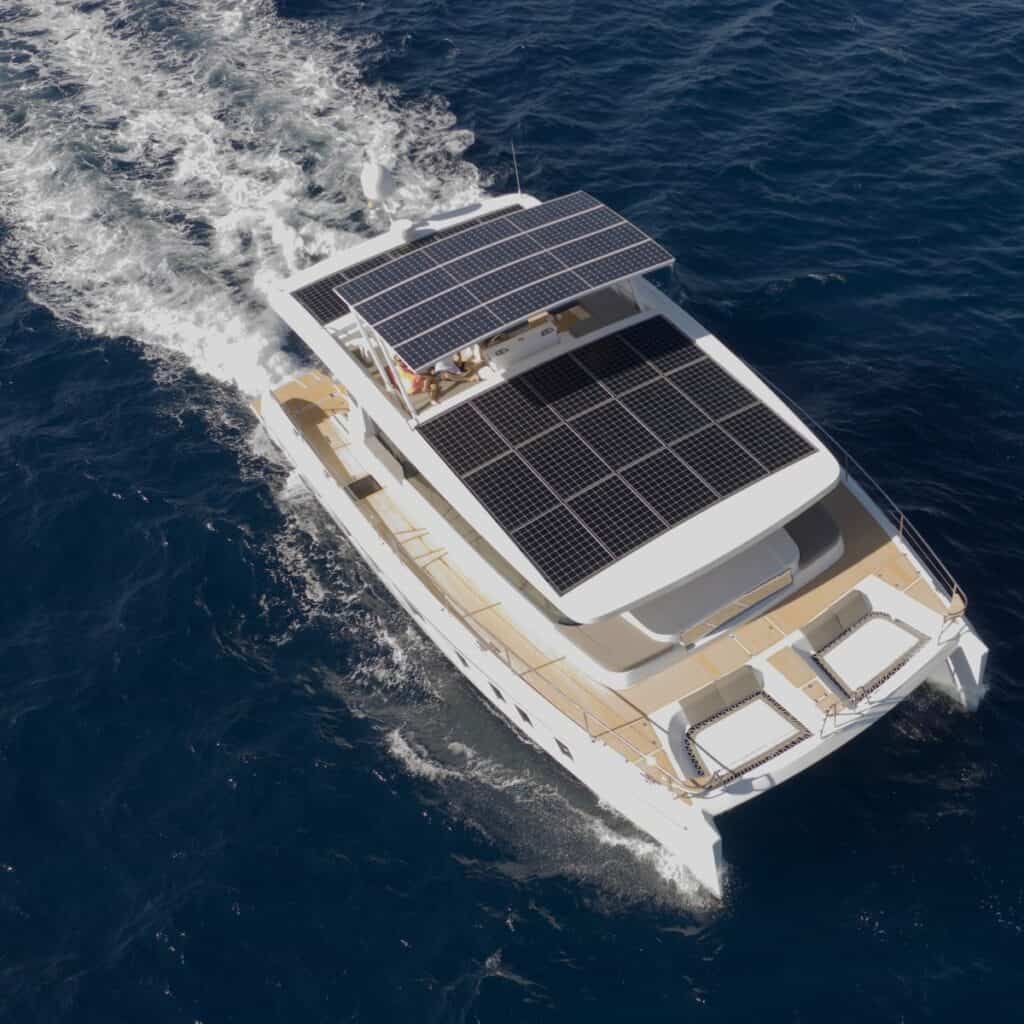
Recent years have highlighted exactly why this matters. Silent Yachts, for example, brought significant innovation to the market, but also experienced operational and financial challenges that impacted deliveries and buyer confidence.
Another widely discussed case involved NautiStyles (Angel LLC), who filed a lawsuit in late 2025 against Bering Yachts related to their custom yacht project, Adamas. As reported by SuperYacht News, the case included allegations of missed deadlines, requests for early milestone payments, and concerns around how project funds were allocated.
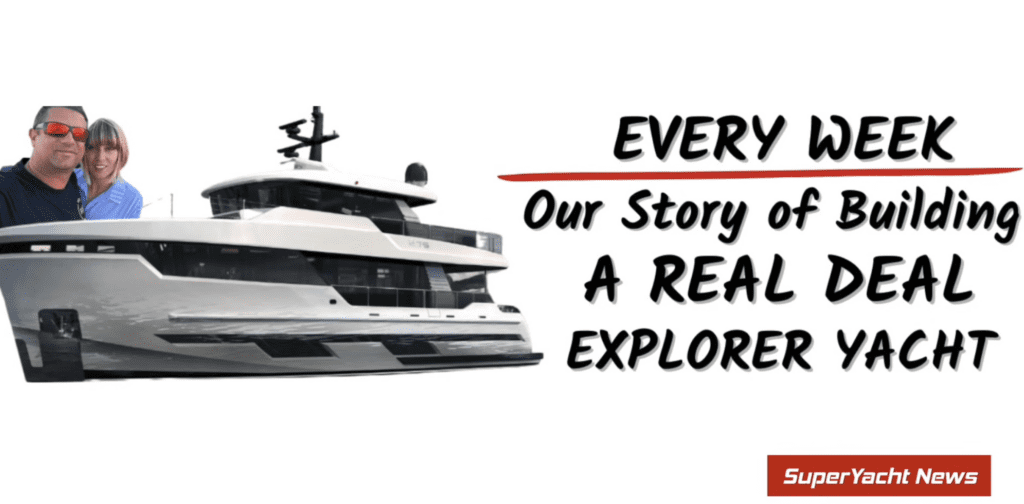
In parallel, reporting from SuperYacht Times has highlighted potential restructuring strategies in similar situations. One approach being considered is allowing individual buyers to take ownership of partially completed yachts and oversee completion themselves, often in locations such as Turkey. While this may offer a path forward, it also introduces additional complexity, cost, and risk for buyers who were expecting a turnkey delivery.
Cases like these bring real visibility to the kinds of risks buyers may not initially consider when entering into a build contract. They are not isolated situations. Across the industry, we’ve seen similar pressures affect newer and rapidly scaling builders, particularly those introducing new technologies or expanding quickly during peak demand periods.
This isn’t about any single brand. It’s about understanding a broader pattern. Innovation plays an important role in moving the industry forward, but it needs to be supported by strong operations, proven delivery, and long-term service infrastructure. For buyers, these examples are not cautionary tales. They are opportunities to make more informed, strategic decisions.
New Build Yacht Contracts: How to Protect Your Deposit and Reduce Risk
One of the most important and often overlooked questions for any buyer is how their investment is protected between signing a contract and taking delivery of the yacht.
Most new build agreements, particularly with smaller or less established manufacturers, require an initial deposit followed by a series of progress or milestone payments throughout the build. In many cases, buyers are committed to paying up to 90% of the total purchase price before delivery. That level of exposure makes financial protection essential. There are structured ways to safeguard your investment, including:
- Irrevocable Commercial Letters of Credit, ensuring funds are released only under agreed conditions
- Performance bonds issued by insurance underwriters to protect against non-delivery or default
- Regulatory protections, such as the Financial Collateral Arrangements Directive in the European Union
Another critical detail is understanding exactly who you are contracting with. Many buyers unknowingly sign agreements with a sales or marketing company rather than the shipyard itself. These entities are often separate legal structures and may not have the assets to protect you if something goes wrong.
How to Protect Yourself When Buying a Yacht or Custom New Build
There are clear steps buyers can take to reduce risk and make more confident decisions:
- Choose established builders with a proven history and consistent delivery
- Understand deposit structures and where your funds are held
- Confirm the legal entity you are contracting with
- Evaluate after-sales support, including parts and service networks
- Work with experienced advisors who understand the market
Most new build projects go smoothly and deliver exceptional experiences. However, the cost of putting financial protections in place is typically small compared to the potential downside.
At Catamaran Gurus, we don’t just help you find the right boat. We help you avoid the wrong one. We also recommend involving independent advisors or maritime attorneys alongside your broker to ensure your interests are fully protected.

Why Yacht Ownership Strategy Matters More Than the Boat Itself
Choosing a yacht is about more than layout, design, or price. The right builder, ownership structure, and timing all play a role in protecting your investment and ensuring a positive ownership experience.
This is especially important for buyers exploring charter programs or yacht ownership as a business, where consistency, uptime, and resale value carry greater weight.
What Yacht Buyers Should Do Next to Protect Their Investment
If you are exploring ownership or planning your next step, now is the time to:
- Revisit the builders you are considering
- Evaluate your risk exposure and protections
- Align your purchase with a clear ownership strategy
A well-informed decision at this stage can make all the difference. Here are some of the most common questions we hear from buyers.
FAQ: Yacht Builder Risk and Buyer Protection
What happens if a yacht builder goes bankrupt during a build?
If a yacht builder becomes insolvent during construction, the outcome depends on your contract structure and financial protections in place. In some cases, projects may be delayed, paused, or canceled entirely. Buyers may also be asked to take over partially completed vessels or find alternative shipyards to finish the build, which can add cost and complexity.
How can I protect my deposit when buying a new build yacht?
Protecting your deposit starts with how the contract is structured. Tools like Irrevocable Commercial Letters of Credit, performance bonds, and escrow arrangements can help ensure funds are only released under agreed conditions. It’s also critical to understand where your payments are held and who controls them throughout the build process.
Are yacht deposits refundable?
In most new build contracts, deposits are not fully refundable unless specific conditions are outlined in the agreement. This is why it’s essential to negotiate terms carefully and include protections that account for delays, non-performance, or financial instability.
Who should I contract with when buying a new build yacht?
Always confirm that you are contracting with the actual shipyard or a financially backed entity, not just a sales or marketing company. Many buyers unknowingly sign agreements with separate entities that may not have the assets to protect them if something goes wrong.
Do most new yacht builds go smoothly?
Yes. The majority of new build yacht projects are completed successfully and deliver incredible ownership experiences. However, the financial exposure during the build process is significant, which is why putting the right protections in place upfront is so important.Yacht Builder Risk and Smart Ownership
The market is evolving, creating more informed buyers and raising industry standards. But it also means that going it alone carries more risk than before. With the right guidance, the right builder, and the right plan, yacht ownership remains one of the most rewarding lifestyle investments you can make.
If you’re considering a new build or want to better protect your investment, we’re here to help. Schedule a consultation with a Catamaran Gurus advisor before you move forward.